check valve
Introduction to Check Valves
A check valve (also commonly referred to as a non-return valve, NRV) is a critical automatic flow control valve widely used in piping systems across industries such as water supply, oil and gas, chemical processing, HVAC, and manufacturing. Its core function is to allow fluid (liquid, gas, or slurry) to flow in one direction only while preventing reverse flow (backflow), which helps protect equipment, maintain system pressure, and avoid operational hazards.
Key Features & Working Principle
Check valves operate automatically without external power or manual intervention. They rely on the pressure of the flowing medium to open and close:
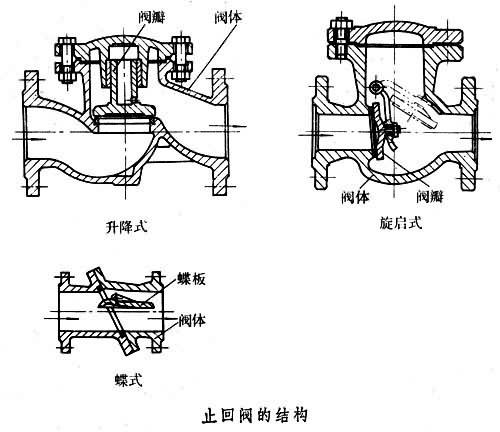
- When the forward flow pressure exceeds the reverse pressure (e.g., system pressure pushes fluid forward), the valve’s internal disc, ball, or piston lifts or swings open, enabling unobstructed flow.
- When flow stops or reverses (e.g., pump shutdown), the reverse pressure (or gravity, in some designs) forces the internal component to seal the valve seat tightly, blocking backflow instantly.
Common Types & Applications
Based on structural design, check valves are categorized into several industry-standard types:
- Swing Check Valve: Features a hinged disc that swings open/closed. Suitable for large-diameter pipelines and low-to-medium pressure systems (e.g., water distribution networks, industrial process lines).
- Lift Check Valve: Uses a piston or disc that lifts vertically. Ideal for high-pressure, high-temperature applications (e.g., steam systems, oil refineries) due to its tight sealing performance.
- Ball Check Valve: Utilizes a spherical ball to control flow. Compact, low-resistance, and suitable for small-diameter pipes or systems with viscous fluids (e.g., hydraulic systems, chemical dosing lines).
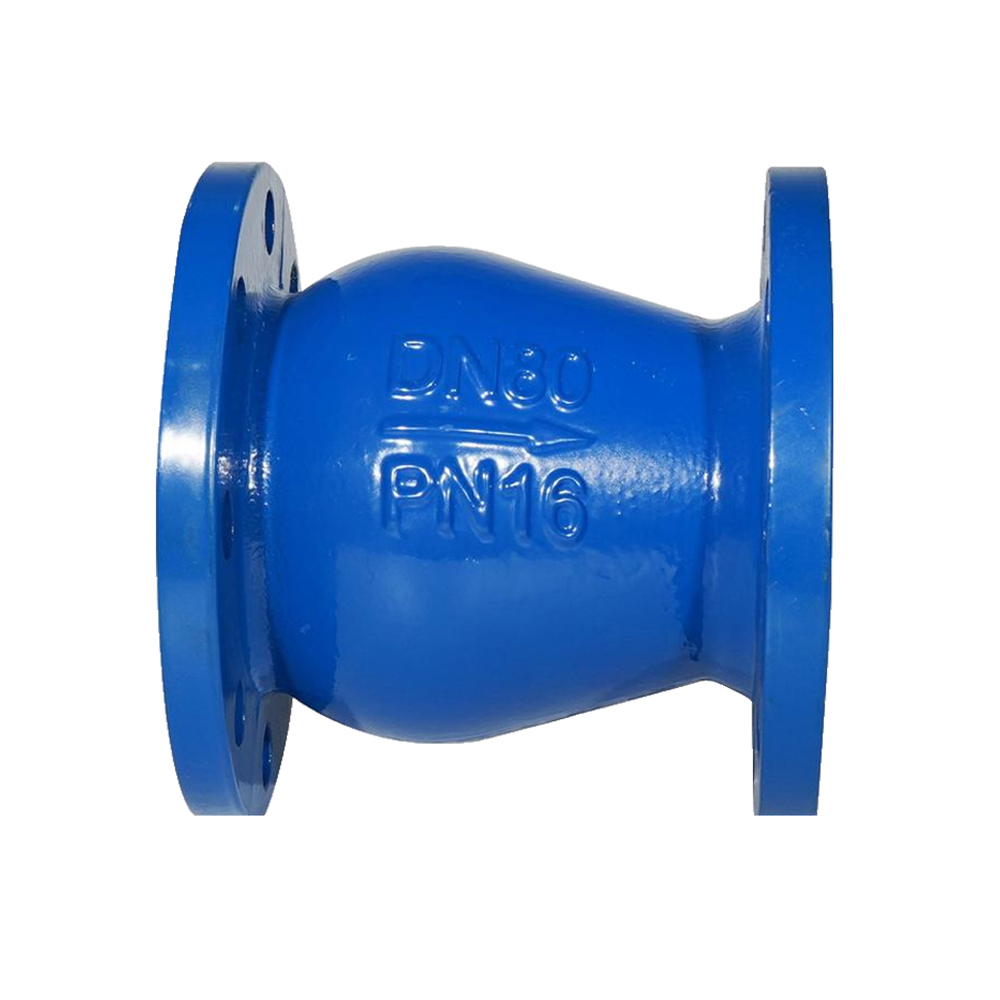
- Silent Check Valve: Designed with a spring-loaded disc to reduce water hammer (noise from sudden flow reversal). Widely used in residential buildings, commercial HVAC systems, and quiet operational environments.
Advantages & Installation Notes
- Automatic Operation: No external controls required, ensuring reliable performance 24/7.
- Simple Structure: Few moving parts, leading to low maintenance costs and long service life.
- Space-Saving: Compact design fits easily in limited piping layouts.
When installing a check valve:
- Ensure the valve is mounted in the correct flow direction (marked by an arrow on the valve body).
- Avoid installing it in areas with frequent flow fluctuations or excessive vibration, which may affect sealing efficiency.
- Select the appropriate valve material (e.g., stainless steel, brass, cast iron) based on the fluid type, temperature, and pressure of the system.
In summary, check valves are indispensable components in modern piping systems, providing essential backflow prevention to safeguard equipment, optimize system efficiency, and ensure operational safety across diverse industrial and commercial applications.
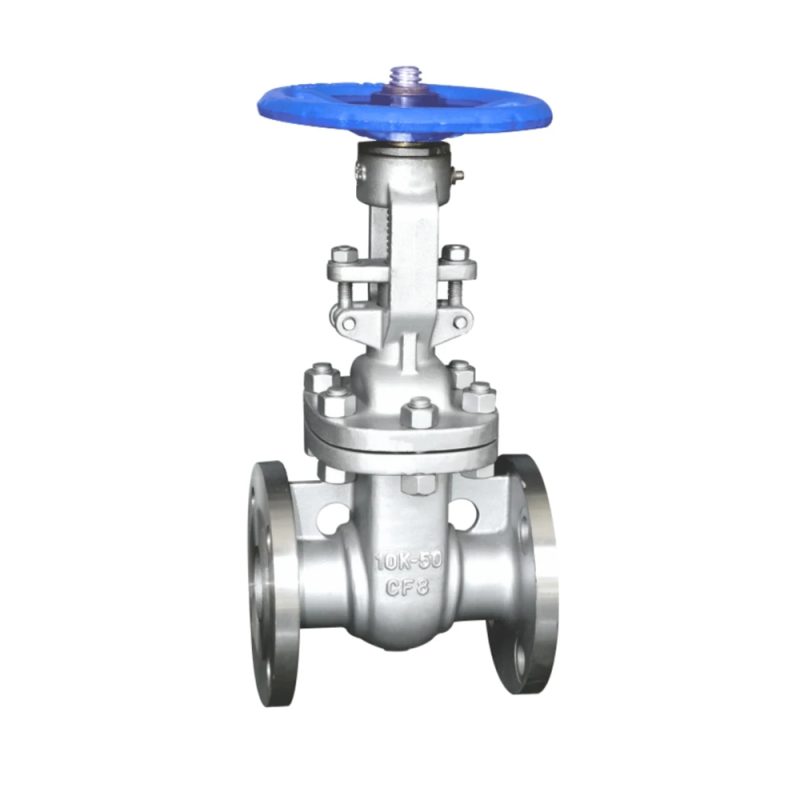
- Connection Type: Flanged
- Operation: Manual Gate Valve
Detailed Specifications